One of your employees just learned what's written in her DNA. She isn't sick. Tomorrow she's telling her manager.
What happens next runs on policies, managers, and benefits designed before anyone could know. Become the enterprise that already knows what to do.
This is already walking into your building.
Read only the bold lines and you'll see the shape of it.
Your top seller schedules twelve weeks of leave. She is not sick.
Risk-reducing surgery, chosen while well. One case is a routine absence. Broader testing makes it a stream: planned, predictable, and growing.
A manager learned a result in a hallway. Now your company knows.
The company holds genetic information it never chose to hold. GINA liability attaches to what managers know.
One diagnosis, and your covered lives light up.
A father traced to Lynch syndrome. Now the employee is advised to test, and his covered children are next.
Your site lead became a care coordinator overnight. No dashboard will show you why.
Her father is on nobody's plan of yours, so nothing appears in claims data. Ever.
The person you most want to keep is deciding about a family.
Two carriers of the same condition. Her IVF questions reach a plan that never planned for her.
The wellness perk you approved is now a genetic database.
An employer-sponsored testing benefit, thousands of enrollees. The vendor holds results your company can never see, and never delete.
A restriction grounds a role you can't fill.
An inherited cardiac variant rules out exertion and travel. Accommodation law wasn't written for people who feel fine.
A president asks for a protection the company doesn't have.
GINA protects his job and health plan, and stops there: life, disability, and long-term care sit outside it.
The worst news of her life arrived on a Tuesday. The wait for a counselor is months.
A predisposition with no prevention path. The EAP isn't trained for this conversation.
Different scenarios. Different systems. One cause.
Every story on this page traces to one cause: healthy people learning what they carry. It reaches different desks in different disguises, so it never shows up as a single crisis you can staff for. That is what makes it easy to miss until it is everywhere.
Healthy people are reading their own DNA. The systems that meet them at work were built for illness, not information.
A benefits update
A benefits vendor can add testing and genetic counseling to the plan, and that part is real. But counselors are scarce and the waits are long, so the employee still walks back into your building with the news and the questions. The clinical piece can be bought. What happens next cannot.
A workforce transformation
One result reaches leave design, managers, data governance, succession, and talent brand. It also pulls in finance to size the cost and its timing, and legal to map where GINA protects and where life, disability, and long-term care do not, which varies by state and country.
HR's AI moment
AI keeps lowering the cost of reading a genome and accelerating the pace of discovery. Both push the same way: more of your workforce learns serious risk every year, and what a single result reveals keeps widening. Finance will size the cost and legal will map the exposure. Neither one slows the arrival.
In 2001, reading a single human genome cost about $95 million. Today it costs a few hundred, one of the steepest cost declines in any scientific field, and AI is much of why it keeps falling.
Cost data: National Human Genome Research InstituteTwo figures, two owners,
one workforce
Enter your numbers and the estimate updates as you go. Two figures come out because two problems sit under one workforce, each with a different owner. The figures count different populations, not a bigger and smaller version of one number.
Both figures are what today's testing can see. The share you can identify now sits below them and climbs toward them as testing broadens. Plan for the number you are moving toward, not the number visible today.
On cost, be straight with yourself. In the near term, awareness raises spend before it lowers it. More screening, more surveillance, and preventive procedures come first. Savings, if they arrive, arrive later. Plan for the near-term rise, not a quick return. Treat it as a multi-year cost to fund and manage, not a one-time claim to absorb.
Directional planning estimate. Applies the one-in-eight rate from the PREDICT Study, Bidwell et al., Genetics in Medicine, 2026. Not actuarial, medical, or legal advice.
Someone owns the benefit.
No one owns the readiness.
Your consultant prices coverage. Your carrier processes claims. Nobody owns the leave category that doesn't exist, the manager conversation with no script, or the governance question nobody has raised. That gap is readiness, and readiness sits with HR.
The HELIX Method
Horizon
The science and the pace: what is arriving, how fast, and why AI keeps compressing the timeline.
Exposure
Your workforce number: carriers, dependents, and cascade effect, quantified.
Legal
Where GINA protects, and where life, disability, and long-term care leave the gap open.
Interaction
Managers prepared for the conversation with no precedent: "I'm not sick, but I have news."
eXpansion
One result never stays with one person. Families, fertility, and caregiving arrive in HR's lane.
Four stages of readiness.
Unaware
No one has asked the question.
Reactive
Each case improvised as it arrives.
Prepared
Policies, playbooks, and trained managers before the volume arrives.
Leading
Readiness as a talent advantage, the way EAPs went from rare to expected.
The reactive stage is the expensive one.
Small first step. Real number.
The Executive Briefing
Your leadership team, briefed. Your workforce number, run against your actual headcount and covered lives.
- Your workforce number
- Your readiness stage
- The five questions to take to your team
The Readiness Assessment
Your organization scored across all five HELIX dimensions, with three artifacts you can use the week you receive them.
- CEO briefing deck
- Manager conversation playbook
- Legal exposure brief, for your counsel's review
What comes next
Organizations that complete the assessment can move to a full readiness roadmap and ongoing advisory. Most start with the briefing.
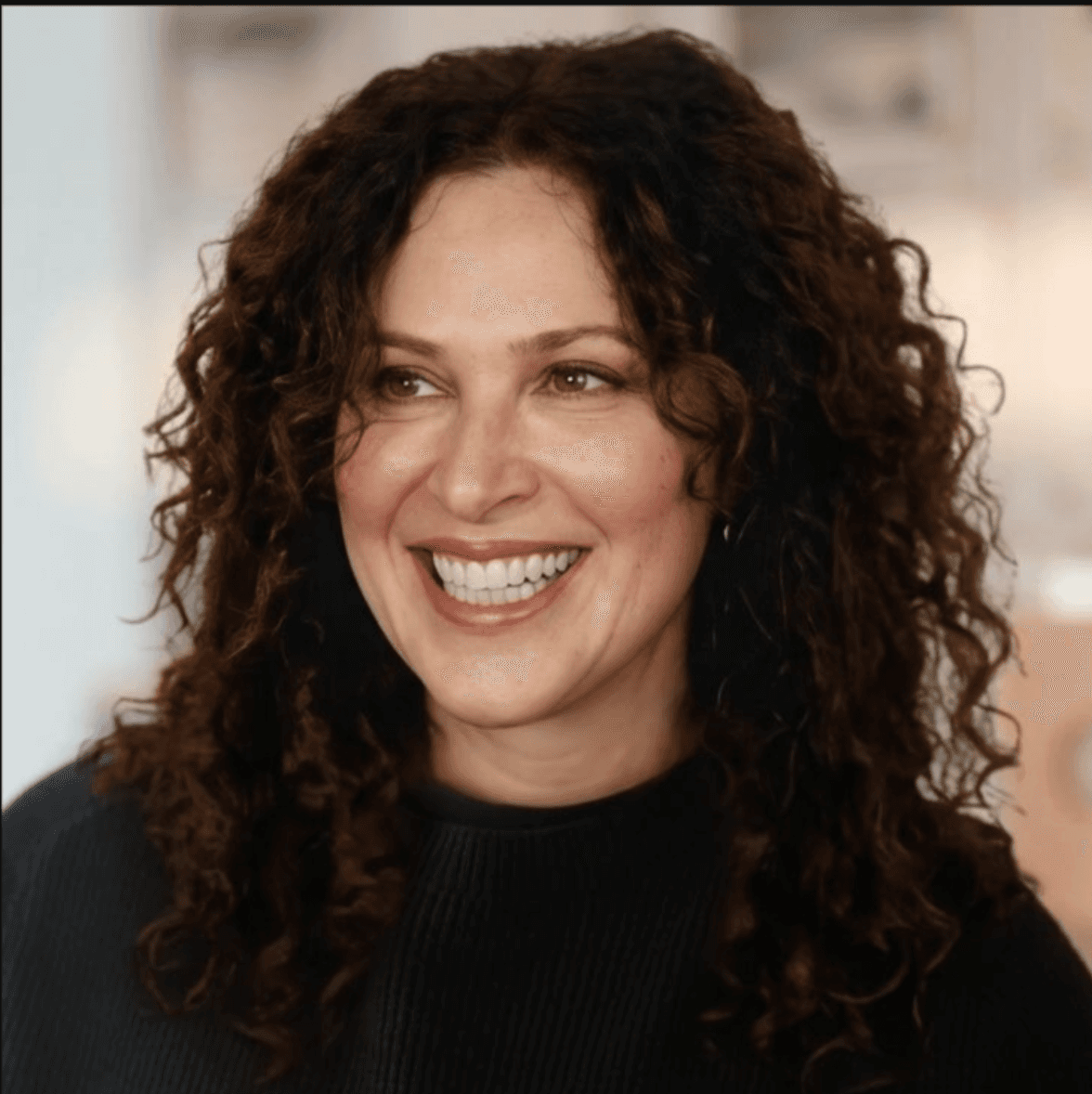
I know this transformation from the executive seat, and from inside my own DNA.
More than twenty years leading workforce and product transformation inside large enterprises, including Sony, IBM, Bridgewater Associates, and Western Digital. Working in AI since 2014.
And I carry a BRCA1 pathogenic variant. I have been the employee in these scenarios.
Essays on what happens as healthy people start reading their own DNA: Ctrl Alt Human on Substack